Count the people who want to play, including the host, and check the player count for the edition you have. A game designed around teams needs a different setup from a two-player game; a large group may prefer two smaller tables. Give anyone who arrives late an easy way to join the next round.
Ask what sounds fun
Some groups enjoy inventing clues aloud; others prefer drawing, observing or playing together against a shared challenge. Offer a choice without assuming everyone wants the same level of competition. If a game asks players to write, consider language, legibility and how much time people need.
Make a short list
Use the publisher’s play time as a starting point and add setup, teaching and breaks. Pick one option that fits the whole group and one fallback with a different pace. The planner can narrow the shelf by people and time, and the publisher link lets you check the exact edition.
Worked shortlist for the article’s example: 6 players, 30 minutes, party. Change these assumptions in the game-night planner before choosing for your own group.
Just One — 2025 Refresh
For 6 players with 30 minutes to play: this edition lists 3–7 players and up to 20 minutes. A shared word game for a group that wants to help each other without forming teams. Allow additional setup and teaching time.
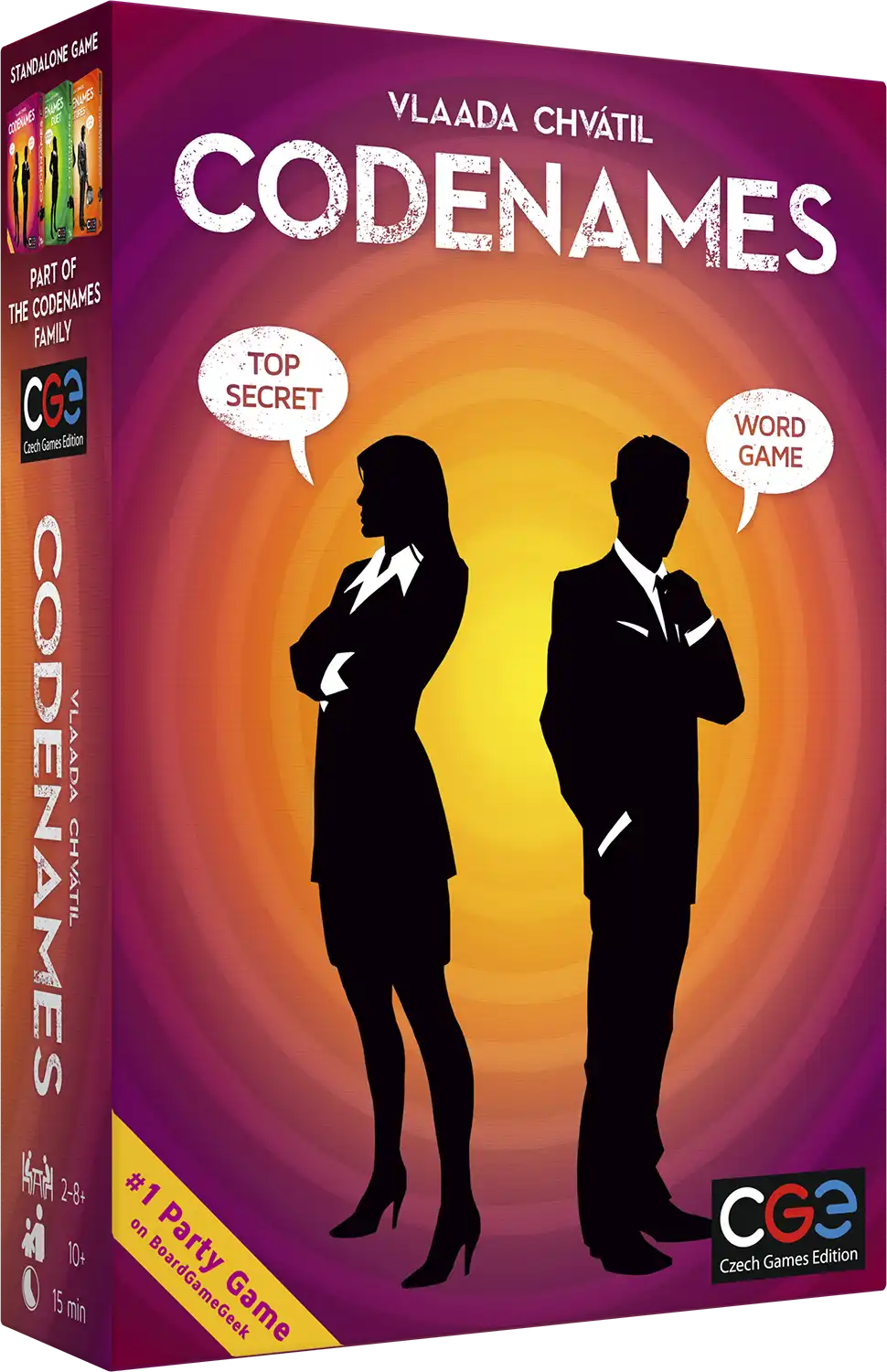
For 6 players with 30 minutes to play: this edition lists 4–8+ standard players and up to 15 minutes. Two teams share a word grid. A good fit when the room likes talking through associations. Allow additional setup and teaching time.
For 6 players with 30 minutes to play: this edition lists 2–8 players and up to 30 minutes. Hand-passing keeps the table moving, with a little extra sorting and scoring for the host to explain. Allow additional setup and teaching time.
Optional purchases. Use what you already have. As an Amazon Associate I earn from qualifying purchases. Check the exact edition or model before buying.